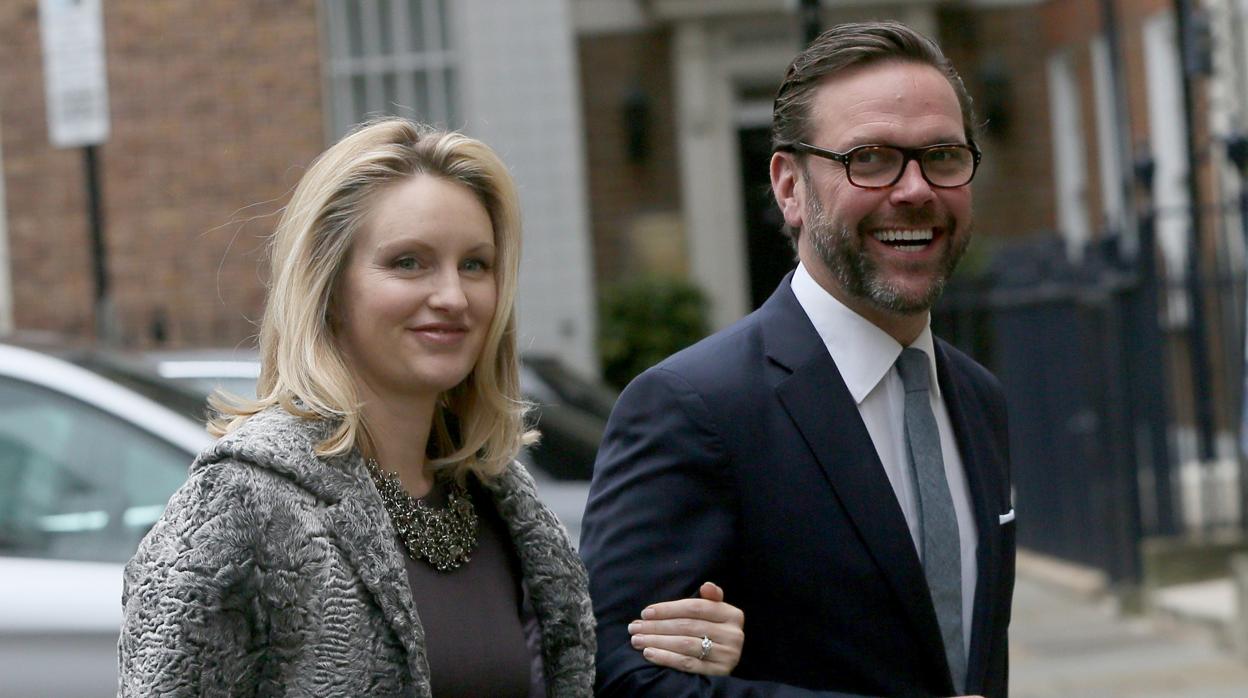
A possible acquisition could reshape the landscape of digital publishing and podcasting in the United States, as James Murdoch explores a deal that would expand his growing media portfolio.
The discussions emerge as digital outlets confront increasing financial strain and changing audience behaviors.
Recent developments indicate that James Murdoch may be maneuvering to purchase substantial parts of Vox Media, including the prominent New York magazine brand along with its digital and audio assets, and sources familiar with the situation report that Murdoch’s investment company, Lupa Systems, has been in conversations that could culminate in a transaction worth $300 million or more, though despite the apparent seriousness of these talks, it remains unclear whether additional bidders are participating or how far along the negotiations truly are.
The timing of this possible acquisition stands out, as digital media firms continue to face tough conditions driven by falling ad revenues, fiercer battles for audience engagement, and shifting consumption patterns. Vox Media, long viewed as a pioneer in inventive digital journalism and narrative formats, has also felt these strains. Considering strategic alternatives, whether divesting portions of the operation or potentially the whole company, aligns with a wider movement in the sector as organizations search for viable long‑term solutions.
For Murdoch, the opportunity may represent more than a simple business transaction. It could be a calculated effort to expand his influence in a media ecosystem that is undergoing rapid transformation. His existing investments already demonstrate a diverse interest in storytelling and content production, including involvement with the Tribeca Film Festival and a significant stake in an Indian entertainment company. Adding established editorial brands and a robust podcast network would deepen his presence in both traditional and emerging media formats.
The strategic importance of well-established editorial brands
At the center of the discussions is New York magazine, a publication with a long-standing reputation for cultural commentary, political analysis, and lifestyle journalism. Its reach extends far beyond print, encompassing a network of influential digital verticals such as The Cut, Vulture, and Intelligencer. These platforms collectively attract a broad audience interested in topics ranging from fashion and entertainment to policy and current affairs.
The appeal of these properties lies not only in their editorial credibility but also in their ability to adapt to digital consumption patterns. Over the years, New York magazine has successfully transitioned from a traditional print publication into a multifaceted media brand. Its online presence generates significant traffic, and its content often shapes conversations across social media and other platforms.
Acquiring such a portfolio would provide Murdoch with an established foothold in the competitive U.S. media market. Unlike launching a new brand from scratch, purchasing a recognized name offers immediate visibility and influence. It also brings access to experienced editorial teams and loyal audiences, both of which are increasingly valuable in an era defined by information overload.
The rising significance of podcast networks
Another key component of the potential deal is Vox Media’s podcast division, which has become a cornerstone of its business strategy. The network includes a wide range of original programming, catering to diverse interests and demographics. Among its most prominent shows are “Pivot,” hosted by Kara Swisher and Scott Galloway, and “Today, Explained,” a daily news podcast known for its accessible approach to complex topics.
Podcasting has rapidly become one of the most dynamic areas in modern media, creating fresh avenues for advertising and enabling richer audience connection; unlike conventional written pieces, podcasts support extended narratives and naturally build rapport between hosts and listeners, and for investors such as Murdoch, the format offers an expanding opportunity to engage with a medium whose popularity continues to rise.
Owning a mature podcast network can also enhance other media assets by fostering cross-platform synergy, allowing content to be adapted, audiences to be shared, and advertising efforts to be coordinated across various formats, which becomes a valuable strength in an increasingly fragmented media environment.
A multifaceted heritage and a continually shifting sense of self
James Murdoch’s interest in acquiring Vox Media assets also draws attention to his personal and professional trajectory. As the youngest son of Rupert Murdoch, he grew up within one of the most influential media dynasties in the world. His father’s empire includes major outlets such as Fox News and the New York Post, which have played prominent roles in shaping public discourse.
However, James Murdoch has gradually carved out his own path, often distancing himself from the editorial direction associated with his family’s businesses. After serving as CEO of 21st Century Fox until 2019, he stepped away from the organization and later resigned from the board of Fox Corp in 2020. Reports at the time suggested that disagreements over editorial values contributed to his decision.
Since that period, Murdoch has worked to reshape how he is perceived across the media landscape, with his investments and remarks suggesting an inclination toward material that reflects a more centrist and internationally minded outlook, a change also visible in his political activity, including backing Democratic candidates and initiatives that diverge from the traditionally conservative stance linked to his father’s media properties.
Acquiring assets such as New York magazine and Vox’s podcast network could further strengthen this unique positioning, as these brands are widely regarded for delivering subtle, often progressive perspectives that may now resonate more closely with Murdoch’s present viewpoint.
Current challenges confronting the digital media industry
The wider backdrop surrounding this potential transaction is impossible to overlook, as digital media firms have grappled with multiple obstacles in recent years, among them shifts in ad revenue influenced by evolving technologies and changing audience habits, while the strong hold that major platforms like Google and Facebook maintain over digital advertising has increasingly limited publishers’ ability to secure a meaningful portion of the market.
Additionally, shifts in audience preferences have forced media organizations to continuously adapt. Readers and viewers now consume content across multiple devices and formats, often favoring short-form or highly personalized experiences. This has led to increased experimentation with subscription models, events, and branded content as alternative revenue streams.
Vox Media itself has pursued various strategies to navigate these challenges, including expanding into audio and video production. However, the pressures of maintaining growth and profitability in such an environment may have contributed to its decision to explore a sale.
For potential buyers like Murdoch, these challenges can pose risks but also offer meaningful openings. Although the sector’s unpredictability may render investments less certain, it simultaneously provides room for those prepared to innovate and adopt a long-term perspective. By purchasing established brands and supporting their transformation, a new owner could uncover value that others have found difficult to achieve.
What a deal could mean for the future of media
If the acquisition proceeds, its effects might extend well beyond the firms directly engaged, as consolidation has grown into a prevalent trend across the media sector, where businesses pursue greater scale to remain competitive; by merging their assets and audiences, companies can curb expenses, strengthen their leverage with advertisers, and bolster funding for emerging technologies.
At the same time, such deals often raise questions about editorial independence and the preservation of journalistic integrity. The identity of a publication is closely tied to its voice and perspective, and changes in ownership can influence both. Observers will likely watch closely to see how Murdoch approaches these issues if he takes control of Vox Media assets.
Another important consideration is how the acquisition might shape the competitive landscape. Bringing together a strong editorial brand and a leading podcast network under a single ownership structure could create a more integrated media entity. This could, in turn, influence how other companies position themselves and pursue growth.
For audiences, the effects may unfold more gradually yet remain substantial in the long run, as ownership transitions can reshape content strategies, redirect investments, and alter the broader vision, and whether these adjustments elevate or lessen the overall media experience will largely hinge on how effectively they are carried out.
The reported conversations involving James Murdoch and Vox Media signal a pivotal period of transformation for the industry, where traditional format boundaries keep dissolving and financial pressures remain steady, making adaptability and innovation more crucial than ever. Regardless of whether this specific agreement reaches completion, it highlights the media sector’s continual evolution and the ongoing pursuit of sustainable models in an environment that changes at high speed.