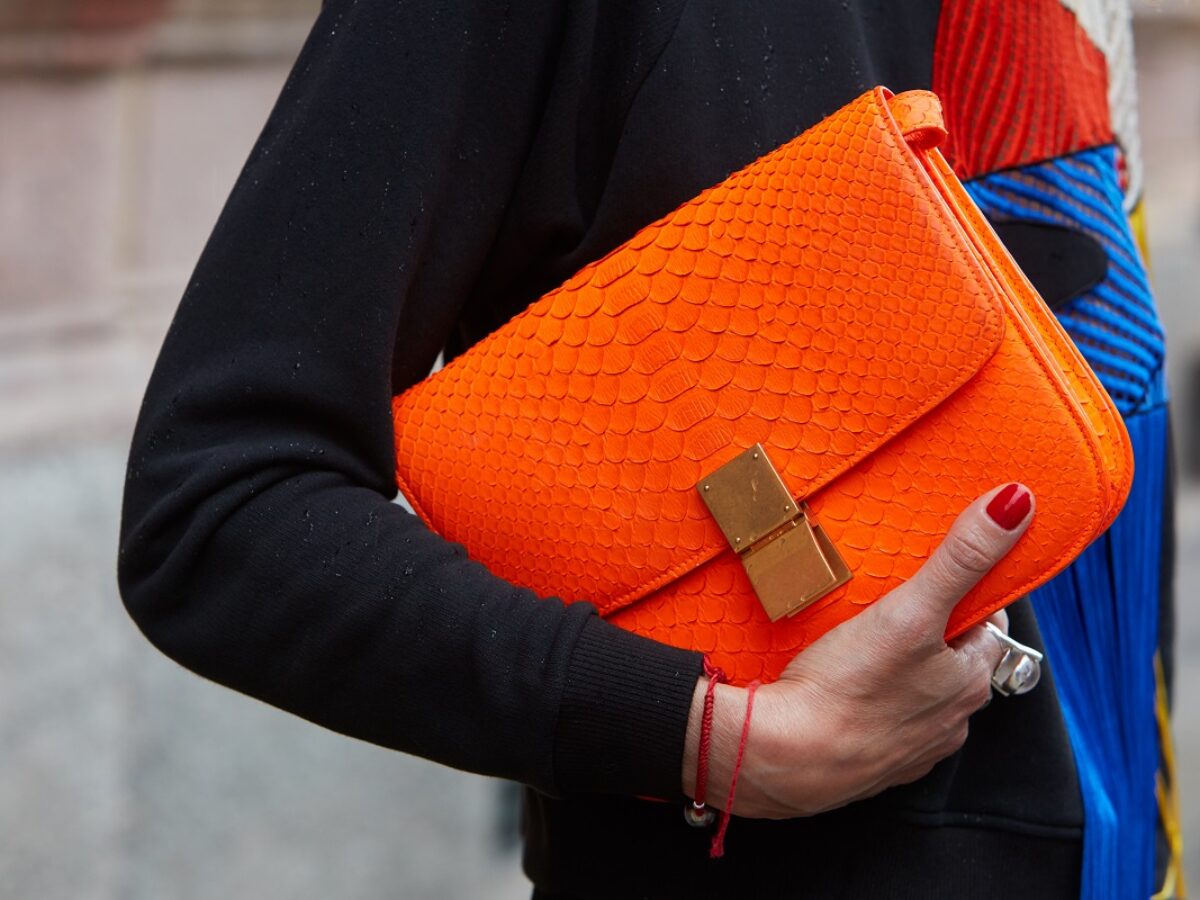
Adaptive fashion is a burgeoning sector within the fashion industry that specifically caters to individuals with disabilities or physical limitations. This innovative approach to clothing design seeks to provide style, comfort, and functionality while addressing the unique needs of its users. Adaptive fashion is characterized by accessibility, inclusivity, and practical design elements that make dressing easier, safer, and more dignified for those with mobility challenges.
The Rising Significance of Adaptive Fashion
As societies worldwide continue to embrace inclusivity, there is an increasing awareness of the diverse needs that exist within the community. According to the World Health Organization, over one billion people—approximately 15% of the global population—experience some form of disability. This substantial demographic has historically been overlooked by mainstream fashion brands, often leading to frustration and limited clothing options.
Adaptive fashion seeks to bridge this gap by delivering options designed to improve the daily experiences of individuals with disabilities. The potential for adaptive apparel is considerable; a 2017 Coresight Research report projected that this category might reach a value of roughly $334 billion by 2022. This prospect has drawn attention from both specialized adaptive labels and major, long‑established retailers aiming to broaden their product ranges.
Essential Attributes of Adaptive Fashion
Adaptive clothing generally incorporates specific design elements to address various physical limitations. Some of these features include:
Sensory-Friendly Materials: For individuals with sensory processing disorders, soft, seamless, and tag-free fabrics are commonly chosen as they help minimize discomfort and reduce irritation.
Magnetic Closures and Velcro: These allow for easier and less tiring ways to fasten clothing compared to traditional buttons and zippers, benefiting people with dexterity challenges or reduced motor skills.
Adjustable Fits: Clothing designed with modifiable waistlines, hems, and sleeve lengths can readily accommodate evolving body measurements, prosthetic elements, or medical devices.
Sit/Stand Functionality: Designed with wheelchair users in mind, sit-friendly silhouettes ensure comfort without compromising on style. Knee-length skirts and high-back tops are examples of such consideration.
Illustrative Examples of Adaptive Fashion
As the adaptive fashion movement continues to grow, a number of brands and initiatives are beginning to distinguish themselves:
Tommy Hilfiger Adaptive: In 2016, Tommy Hilfiger became a pioneer by launching a line specifically for children with disabilities, which has since expanded to include adult collections. This line incorporates one-handed zippers, adjustable hems, and magnetic buttons.
Zappos Adaptive: The online retailer Zappos introduced Zappos Adaptive as a dedicated space that delivers an extensive selection of adaptive apparel and footwear, designed to enhance autonomy and everyday comfort for individuals with disabilities.
Runway of Dreams Foundation: This nonprofit partners with designers to expand the availability of adaptive apparel and also hosts runway events that showcase and honor the evolving landscape of adaptive fashion.
The Broader Impact of Adaptive Fashion
Adaptive fashion encompasses much more than clothing; it delivers a wider narrative centered on empowerment and genuine inclusion. As the distinct requirements of a previously underserved community gain visibility and advocacy, adaptive fashion is steadily transforming public perceptions of disability. This ongoing movement encourages audiences to recognize potential rather than limitation, fostering a more inclusive way of thinking both within the fashion industry and across broader cultural settings.
In recognizing the transformative potential of adaptive fashion, more brands are stepping up to ensure that everyone can enjoy the confidence and expression that fashion can provide, regardless of their physical capabilities. This trend not only enriches the fashion landscape but also enhances the quality of life for countless individuals, highlighting the vital intersection of fashion, innovation, and compassion.