Introduction: Reinvention as a Competitive Advantage
Bankruptcy is often perceived as a corporate death sentence. In reality, for some organizations, it has served as a catalyst for radical transformation. Through restructuring, strategic pivots, leadership changes, and innovation, several companies have emerged from insolvency to become global leaders in their industries. Their stories reveal how disciplined restructuring, customer-centric reinvention, and bold decision-making can convert collapse into long-term dominance.
Below are ten companies that moved from bankruptcy protection to international leadership.
1. Apple
In 1997, Apple was 90 days away from insolvency. Market share had fallen below 4%, losses exceeded $1 billion annually, and product lines were unfocused. The return of Steve Jobs marked a turning point.
Key actions:
- Streamlined product portfolio to four core categories
- Secured $150 million investment from Microsoft
- Launched breakthrough products including the iMac, iPod, iPhone, and iPad
Apple’s market capitalization grew from under $3 billion in 1997 to over $2 trillion decades later. Its reinvention reshaped consumer electronics and digital ecosystems globally.
2. General Motors
General Motors filed for Chapter 11 bankruptcy in 2009 during the global financial crisis, burdened by $172 billion in debt.
Strategic turnaround elements:
- State-backed financial reorganization
- Discontinuation of lagging divisions such as Pontiac and Saturn
- Renewed focus on flagship nameplates: Chevrolet, Cadillac, GMC, and Buick
Post-bankruptcy, GM returned to profitability within a year and remains one of the world’s largest automakers, aggressively investing in electric vehicles and autonomous technology.
3. Marvel Entertainment
Marvel declared bankruptcy back in 1996 following excessive expansion and a noticeable drop in comic book sales.
Transformation strategy:
- Pivoted back to core intellectual property
- Transitioned from mere licensing toward actual film production
- Unveiled the Marvel Cinematic Universe in 2008
The Marvel Cinematic Universe has generated over $29 billion in global box office revenue, turning Marvel into one of the most valuable entertainment brands worldwide.
4. Delta Air Lines
Delta filed for bankruptcy in 2005 amid rising fuel costs and intense competition.
Recovery measures:
- Redrew labor agreements
- Lowered operating expenses
- Combined with Northwest Airlines in 2008
The merger created one of the largest airlines globally. Delta consistently ranks among the most profitable and operationally reliable carriers in the industry.
5. Starbucks
While not technically bankrupt, Starbucks faced severe financial distress during the 2008 financial crisis, closing 600 stores and reporting significant losses.
Turnaround strategy under Howard Schultz:
- Closed underperforming locations
- Reinvested in employee training
- Refocused on customer experience and premium positioning
The enterprise broadened its worldwide reach and currently has a presence across over 80 nations, boasting tens of thousands of retail locations.
6. Lego
In 2003, Lego faced the verge of bankruptcy, bleeding nearly $1 million daily as a result of excessive diversification.
Strategic correction:
- Divested non-essential holdings, such as theme parks
- Shifted attention back to foundational brick merchandise
- Unveiled popular licensed properties like Star Wars
By 2015, Lego had grown into the globe’s leading toy maker in terms of revenue, overtaking its long-standing rivals.
7. Chrysler
Chrysler declared bankruptcy in 2009 as part of the automotive crisis.
Restructuring highlights:
- Collaborating alongside Fiat
- Strategic overhaul for Jeep and Ram identity
- Streamlining operational expenditures
The partnership evolved into Stellantis, now one of the largest global automotive manufacturers, with operations spanning multiple continents.
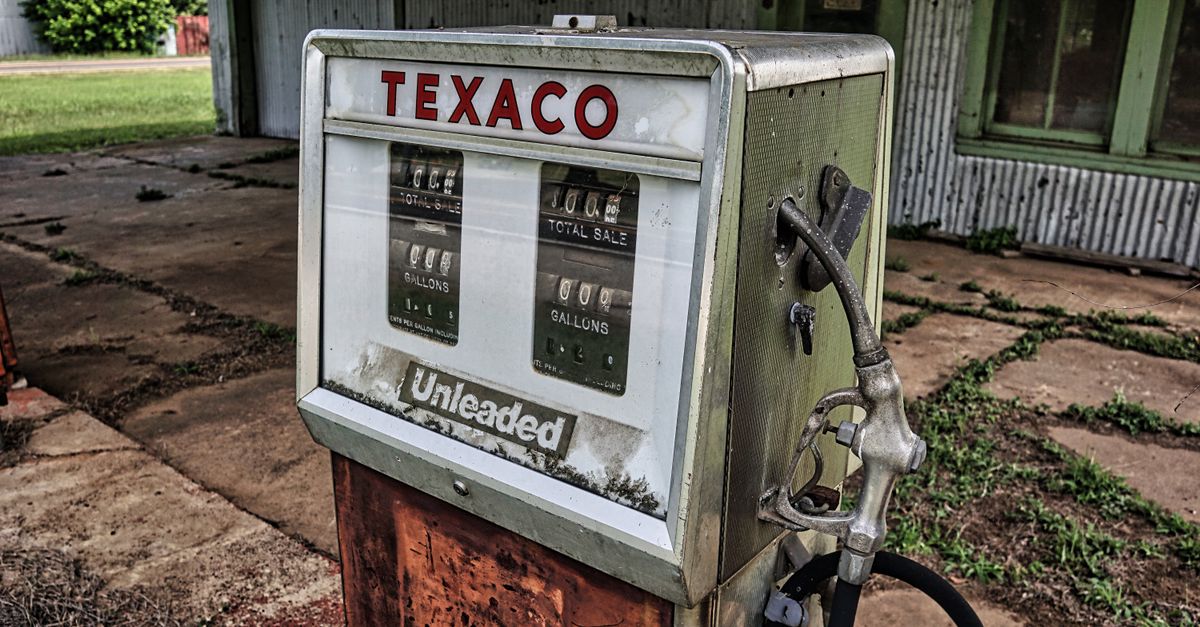
8. Texaco
Texaco sought Chapter 11 protection in 1987 in the wake of a staggering $10.5 billion judicial ruling.
Recovery approach:
- Achieved a negotiated settlement and successfully restructured debt
- Optimized and streamlined operational processes
- Bolstered international exploration initiatives
Texaco regained stability and later merged with Chevron, contributing to the creation of one of the world’s leading energy corporations.
9. Six Flags
The amusement park operator filed for bankruptcy in 2009 after accumulating $2.4 billion in debt.
Turnaround plan:
- Debt restructuring
- Enhanced operational efficiency
- Targeted capital allocation toward top-performing parks
Six Flags emerged leaner and more profitable, maintaining its status as a major global theme park operator.
10. Converse
Converse filed for bankruptcy in 2001 due to declining sales and intense competition in athletic footwear.
Revival strategy:
- Acquisition by Nike in 2003 for $305 million
- Repositioning as a lifestyle brand
- Global expansion through strategic distribution
Currently, Converse pulls in billions every year and continues to stand as a legendary worldwide brand within Nike’s collection.
Common Patterns Behind Their Comebacks
Across different sectors, multiple recurring principles surface:
- Decisive leadership changes that reset corporate vision
- Debt restructuring that restored financial flexibility
- Strategic focus on core strengths rather than diversification
- Customer-centric innovation driving renewed demand
- Operational discipline improving margins and efficiency
Bankruptcy provided these companies with a structured opportunity to eliminate inefficiencies, renegotiate obligations, and realign around competitive advantages.
The Strategic Power of Reinvention
Corporate collapse often exposes structural weaknesses that incremental adjustments fail to fix. For Apple, it meant reimagining product ecosystems. For Marvel, monetizing intellectual property at scale. For automotive giants, it required eliminating legacy costs and embracing new technologies. Bankruptcy functioned less as an ending and more as a forced reset.
These accounts show that global leadership isn’t just for corporations that manage to bypass failure. Success frequently goes to those facing it head-on, executing smart restructuring, and driving bold transformation with focus and discipline. The journey from financial collapse to market supremacy uncovers a profound reality concerning corporate endurance: strategic reinvention can turn into an organization’s ultimate driver of expansion.