

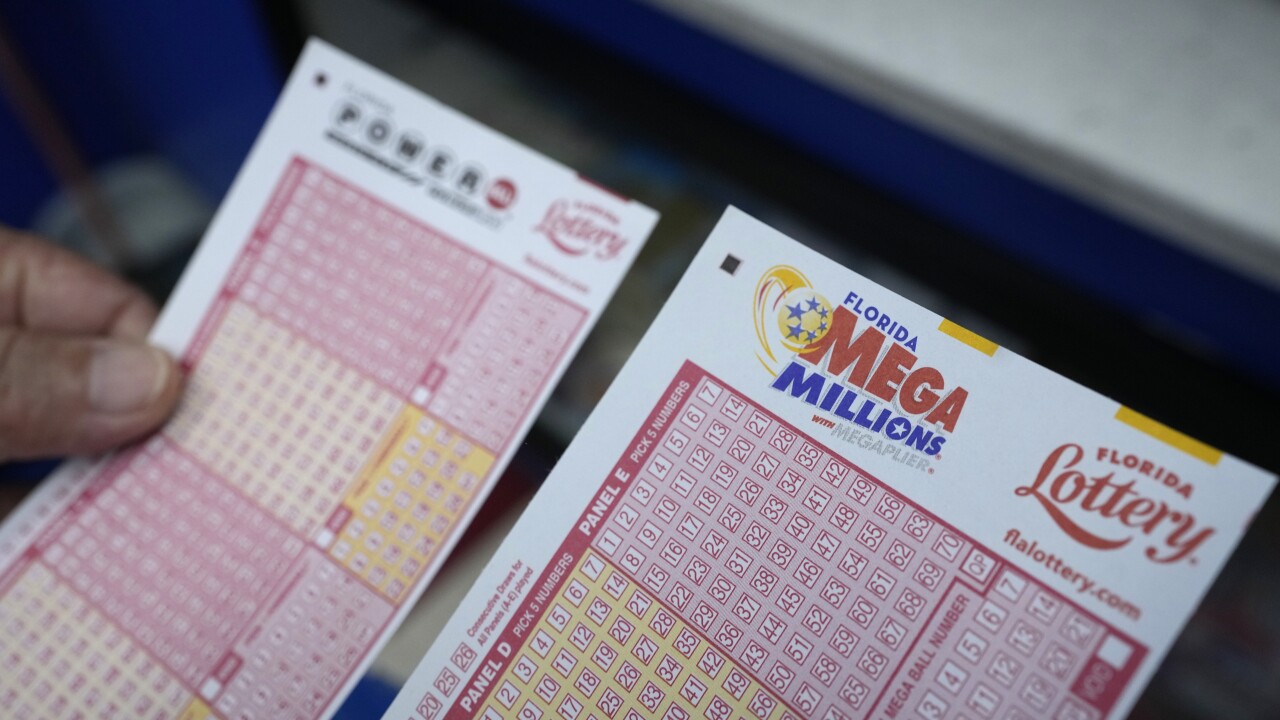
The excitement surrounding one of the nation’s most popular lottery games is building once again as the Powerball jackpot has surged beyond the $600 million mark. With the next drawing scheduled for Monday night, millions of players across the United States are rushing to secure their tickets, hoping to turn a small investment into a life-changing fortune. The rapid increase in the prize pool has placed this jackpot among the top in the game’s history, fueling anticipation and conversation nationwide.
The Powerball lottery has long been a symbol of both chance and hope. Players pay only a few dollars for an opportunity to claim extraordinary wealth, with jackpots often reaching hundreds of millions of dollars. This most recent climb past $600 million underscores just how quickly the prize can grow when drawings pass without a grand prize winner. Each rollover adds tens of millions of dollars to the pot, capturing public attention and sparking dreams of what life could look like with such an immense financial windfall.
Although the odds of hitting such a jackpot are low, the enticing chance maintains a strong interest. Numerous participants view the Powerball not just as a wager but also as a source of enjoyment that sparks their creativity. The notion of purchasing a ticket and pondering possible outcomes is integral to the experience. For some individuals, the exhilaration stems from considering debt repayment, acquiring a new house, aiding relatives, or giving to meaningful charities. For others, it’s merely about savoring the excitement of being involved in something bigger than their own lives.
This increase in the jackpot is due to a sequence of drawings without any grand prize winners. When the top prize isn’t won, the amount rolls over, enticing more people to purchase tickets. This repetition of rollovers encourages higher participation, leading to a compounding effect that elevates the jackpot even further. The $600 million mark is one of the largest sums seen in recent months, highlighting how uncommon it is for no player to match the winning numbers across numerous consecutive drawings.
For those unfamiliar with the game, Powerball is played by selecting five numbers from a pool of 69 white balls, along with one red Powerball number from a separate pool of 26. To win the grand prize, all six numbers must match the numbers drawn. While the odds of doing so are extraordinarily steep—roughly one in 292 million—the existence of smaller prize tiers keeps many players engaged. Even if the jackpot is elusive, participants have the chance to win prizes ranging from a few dollars up to one or two million dollars, depending on the numbers they match and any multipliers they may choose to include.
The allure of large lottery prizes goes beyond just the economic aspects. Researchers in sociology and economics have examined the role lotteries play in today’s culture. For many, buying a lottery ticket symbolizes hope during financial instability. It brings a small chance that fortunes can be reversed instantly, avoiding long periods of monetary hardship. On the other hand, opponents contend that lotteries tend to appeal more to people from lower-income backgrounds, leading them to invest considerable sums in pursuit of a highly unlikely result.
Despite these concerns, the popularity of Powerball continues to grow whenever the jackpot swells to headline-worthy levels. Convenience stores, supermarkets, and online platforms see sharp spikes in ticket sales during these periods. The shared excitement often turns into a community experience, with people chatting about their “lucky numbers,” office pools forming, and friends making pacts about how they would share winnings. The social dimension of a massive jackpot adds another layer of fascination to the event.
Experts often advise individuals to partake in the lottery with practical expectations. While dreaming contributes to the enjoyment, financial advisors commonly recommend considering lottery tickets as a type of amusement instead of a dependable method for accumulating wealth. For the few who succeed in winning a jackpot, unexpected wealth brings its own set of challenges. Research has indicated that lottery winners may encounter distinct financial and psychological obstacles, such as handling newfound assets wisely and adjusting to the significant alterations in personal relationships that prosperity can introduce.
The logistics of claiming a jackpot of this size are also worth considering. Winners typically have the choice between receiving the prize as an annuity, paid in installments over three decades, or as a lump-sum cash payout that is significantly smaller but immediate. The decision often depends on financial goals, tax considerations, and long-term planning. Given the magnitude of the prize, both options represent life-altering sums of money that require careful decision-making with the guidance of financial professionals.
As the anticipation for Monday’s jackpot grows, numerous Americans are getting ready for the draw with a sense of thrill. As the jackpot amount increases, it captures more attention from both media and local communities. The temptation of $600 million—or perhaps an even larger amount if the prize remains unclaimed this time—ranks it among the biggest current jackpots worldwide. For lottery fans, this draw offers more than just a chance to win; it represents opportunity and potential on a grand level.
Lottery entities gain considerable advantages from increasing jackpots. Income from ticket purchases supports state projects and initiatives, frequently allocated to education, infrastructure, and community development. This dual role—providing entertainment for participants and generating income for public initiatives—helps maintain the enduring popularity of games such as Powerball. As the jackpot rises, the more substantial the resources that can be redirected into these critical areas, initiating a chain reaction of positive outcomes.
The widespread interest in enormous jackpots permeates popular media and daily discussions. Late-night talk show hosts, radio personalities, and social media users frequently engage in conversations and humor about potential winners, imaginary purchases, and how average individuals might handle an unexpected fortune. This shared intrigue transforms each lottery draw into an event of national curiosity, bridging diverse demographics and backgrounds.
While the odds remain unchanged regardless of how many people play, the increase in ticket sales as the jackpot rises only reinforces the universal appeal of the dream. The sight of long lines at convenience stores and the buzz of people checking their numbers afterward highlight just how deeply lottery culture is woven into American society. Even those who rarely purchase tickets often make exceptions when jackpots surpass certain milestones, drawn in by the allure of once-in-a-lifetime possibilities.
As Monday’s drawing nears, the country eagerly anticipates whether a fortunate person—or a group participating in a pool—will secure the remarkable prize. If no one claims the jackpot this time, the amount will increase once more, possibly setting new records. Every rollover adds to the excitement, guaranteeing that the Powerball stays a major part of American culture for the foreseeable future.
While the probability of hitting the winning numbers is vanishingly small, the journey of participating in the lottery is about more than just the financial prize. It represents hope, imagination, and the thrill of possibility. Whether or not the $600 million jackpot finds a new owner this Monday, the excitement it has generated illustrates the timeless human fascination with fortune and chance.

.jpg "How to Set Up an Offshore Company in Panama")
.jpg "Panama Pensionado Visa Requirements 2026")

