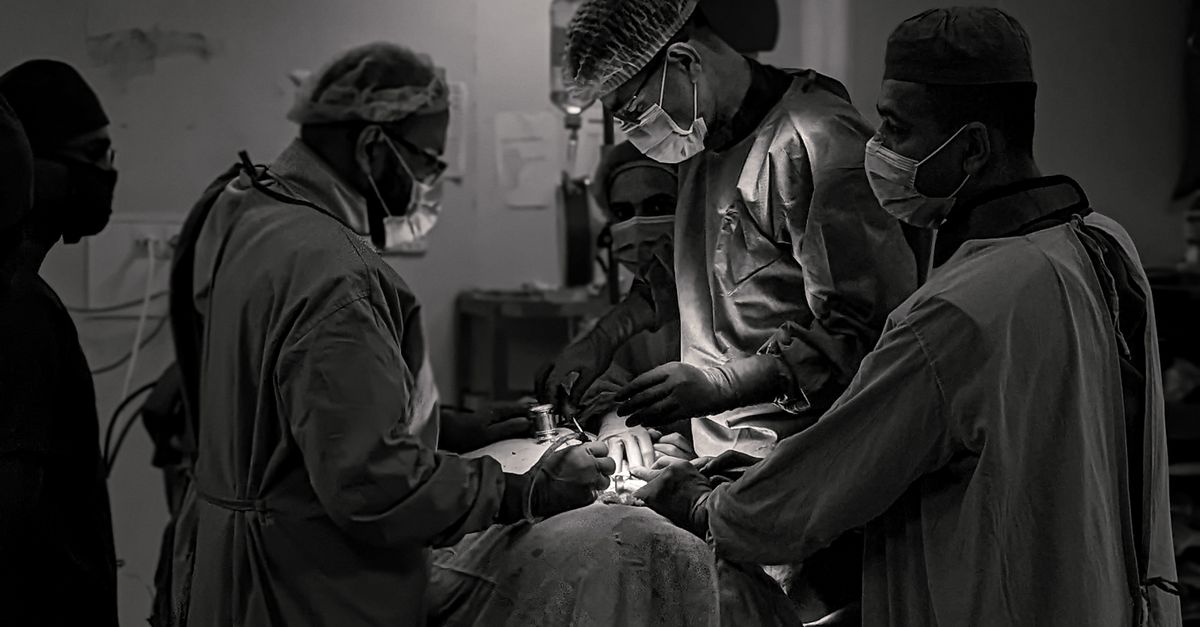
1. The First Successful Use of Ether Anesthesia (1846)
Before the mid-nineteenth century, surgery functioned as a brutal, last-resort intervention executed at lightning speed to minimize agony. On October 16, 1846, at Massachusetts General Hospital, dentist William T. G. Morton publicly demonstrated the application of ether anesthesia during the extraction of a neck tumor. The patient reportedly experienced no pain.
This single operation transformed medicine. Surgeons could now operate deliberately rather than desperately. Mortality rates dropped as procedures became more precise, and entirely new specialties—such as abdominal and thoracic surgery—emerged. Modern anesthesiology, patient monitoring systems, and critical care medicine trace their origins to this pivotal moment.
2. The First Antiseptic Surgery (1860s)
In the 1860s, Joseph Lister applied carbolic acid to sterilize surgical instruments and clean wounds. His antiseptic approach dramatically reduced postoperative infections, which had previously killed up to 50 percent of surgical patients in some hospitals.
The introduction of antiseptic technique revolutionized operating rooms:
- Sterile gloves and gowns became standard.
- Instrument sterilization protocols were formalized.
- Dedicated operating theaters were designed to reduce contamination.
Modern infection control, antibiotic stewardship, and hospital epidemiology evolved from this foundational shift.
3. The First Successful Appendectomy (1880s)
Although earlier attempts at appendectomies had been made, the standardized surgical technique introduced by Charles McBurney in 1889 firmly established the procedure as a safe and effective remedy for acute appendicitis. Previously, this condition frequently proved fatal owing to subsequent rupture and sepsis.
This procedure opened the field of emergency abdominal surgery. It demonstrated that rapid diagnosis and timely intervention could prevent catastrophic infection, shaping the development of emergency medicine and surgical triage systems.
4. The First Blood Transfusion with Blood Typing (Early 20th Century)
While early transfusions were attempted in the seventeenth century, they were frequently fatal. The discovery of blood groups by Karl Landsteiner in 1901 made safe transfusions possible. By World War I, blood transfusion had become a life-saving surgical adjunct.
This advancement enabled:
- Complex trauma surgery.
- Major cardiac and organ transplant procedures.
- Modern hematology and transfusion medicine.
Without blood typing and transfusion protocols, high-risk surgery would remain impossible.
5. The First Open-Heart Surgery with Cardiopulmonary Bypass (1953)
In 1953, John Gibbon successfully used a heart-lung machine to repair an atrial septal defect. The device temporarily took over the function of the heart and lungs, allowing surgeons to operate on a still heart.
This milestone launched cardiac surgery as a distinct specialty. Coronary artery bypass grafting, valve replacement, and congenital heart defect repair became feasible. Cardiothoracic surgery now saves millions of lives annually, with coronary bypass alone performed hundreds of thousands of times each year worldwide.
6. The First Successful Kidney Transplant (1954)
Joseph Murray performed the first successful kidney transplant between identical twins in 1954. Because the twins were genetically identical, immune rejection did not occur.
This case proved that organ transplantation could work. Subsequent development of immunosuppressive drugs in the 1960s and 1970s expanded transplantation to unrelated donors. Today, kidney transplantation is the preferred treatment for end-stage renal disease, significantly improving survival and quality of life compared to dialysis.
7. The First Liver Transplant (1967)
Thomas Starzl performed the first successful liver transplant in 1967. Early attempts were plagued by bleeding and rejection, but refinements in technique and immunosuppression improved survival rates dramatically.
Liver transplantation established the field of transplant hepatology and spurred advances in organ preservation, donor matching, and allocation systems. It also led to ethical frameworks governing organ donation and distribution.
8. The First Coronary Angioplasty (1977)
In 1977, Andreas Gruentzig performed the first percutaneous transluminal coronary angioplasty. Instead of open surgery, a catheter with a balloon was threaded through blood vessels to open a blocked coronary artery.
This minimally invasive technique transformed the field of cardiology. Hospitalization periods decreased, adverse event rates dropped, and the path was cleared for stents and drug-eluting innovations. Interventional cardiology rose as a prominent subspecialty, altering the management of cardiac events from the ground up.
9. The First In Vitro Fertilization Procedure (1978)
The arrival of Louise Brown in 1978 heralded the initial triumph of the in vitro fertilization technique. Ova were combined with sperm outside the human body before being transferred into the womb.
This breakthrough established the discipline of reproductive medicine. Countless infants have subsequently been delivered via assisted reproductive technologies. Furthermore, the technique sparked intricate ethical and legal debates regarding embryo selection, genetic screening, and fertility preservation.
10. The First Laparoscopic Cholecystectomy (1985)
In 1985, Erich Mühe carried out one of the earliest laparoscopic gallbladder removals. Through tiny cuts alongside a camera, medical professionals were able to perform procedures with hardly any tissue trauma.
Minimally invasive surgery rapidly expanded to appendectomies, hernia repairs, and bariatric procedures. Benefits included:
- Reduced postoperative pain.
- Shorter hospital stays.
- Faster return to normal activity.
Laparoscopy laid the groundwork for robotic-assisted surgery and image-guided interventions.
11. The First Face Transplant (2005)
In 2005, surgeons in France performed the first partial face transplant on a woman disfigured by trauma. The operation required complex vascular and nerve reconnection and lifelong immunosuppression.
This technique unlocked the domain of vascularized composite allotransplantation, encompassing hand and extremity procedures. Reconstructive surgery was fundamentally transformed by this milestone, successfully integrating microsurgery, immunology, and psychological support to recover both physical capability and personal identity.
12. The First CRISPR-Based Gene Editing Therapy (2020)
In 2020, foundational clinical trials utilizing CRISPR gene editing tackled hereditary blood conditions like sickle cell disease. Through the direct correction of flawed genes, medical professionals shifted their approach from merely handling symptoms to pursuing prospective cures.
Although still developing, gene-editing surgery represents the dawn of genomic medicine. By fusing molecular biology with clinical intervention, this approach unlocks pathways to tackle cancers, metabolic disorders, and rare hereditary diseases directly at their origin.
The Expanding Frontier of Surgical Innovation
Each of these twelve surgeries did more than save a single patient; each redefined what medicine considered possible. Anesthesia made pain controllable. Antisepsis made infection preventable. Transplantation turned organ failure from a death sentence into a treatable condition. Minimally invasive and gene-based techniques continue to shrink incisions while expanding therapeutic reach.
Surgery has progressed from crude physical intervention to precision-guided, biologically informed therapy. These pioneering procedures illustrate how a single successful operation can ignite entire disciplines, reshape medical ethics, and extend human life. The history of surgery is not merely a record of technical achievement but a testament to medicine’s enduring drive to transform uncertainty into healing possibility.