Clare Waight Keller: A Beacon of Modern Design
Clare Waight Keller remains a prominent presence in modern fashion design. Her footprint spans multiple prestigious luxury houses, shifting through various phases of her professional journey while consistently embracing a subtle, deliberate vision that questions and elevates the limits of contemporary sophistication. Analyzing her creative ethos, distinct hallmarks, major achievements, and enduring legacy offers a clear perspective on what Clare Waight Keller genuinely embodies within the fashion industry.
Origins and Philosophy: Redefining Contemporary Femininity
Right from the beginning of her professional journey, Clare Waight Keller showcased an exceptional talent for fusing traditional heritage with modern innovation. Her formative years at the Royal College of Art in London equipped her with a profound grasp of textile creation, a discipline that continually shapes her aesthetic. Waight Keller’s design philosophy centers on a concept of empowered femininity defined by an interplay of resilience and gentleness. She skillfully bridges the gap between minimalist restraint and romantic expression, pairing precise tailoring with graceful, flowing silhouettes.
A core tenet of her philosophy is the belief that clothes should liberate rather than confine. Whether designing for Pringle of Scotland, Chloé, or Givenchy, Waight Keller’s collections consistently reflect a wearer-centric sensibility. The tactile quality of her choices—delicate silks alongside robust woolens, intricate embroidery paired with radical simplicity—demonstrates her nuanced understanding of fabric and form. This approach results in accessible luxury: pieces that are not mere spectacles on the runway, but practical and powerful in a woman’s everyday wardrobe.
Signature Elements: Hybridizing Tradition and Innovation
Waight Keller’s hallmark is her skillful hybridization of traditional codes with contemporary attitudes. At Pringle of Scotland, she revitalized the house’s storied knitwear legacy by introducing new color palettes, innovative yarns, and silhouettes that reimagined Scottish heritage for a global audience. Her time at Chloé brought a new romanticism, infusing the brand’s bohemian spirit with pragmatic tailoring, billowy sleeves, and lace with a modern silhouette, earning her broad critical acclaim.
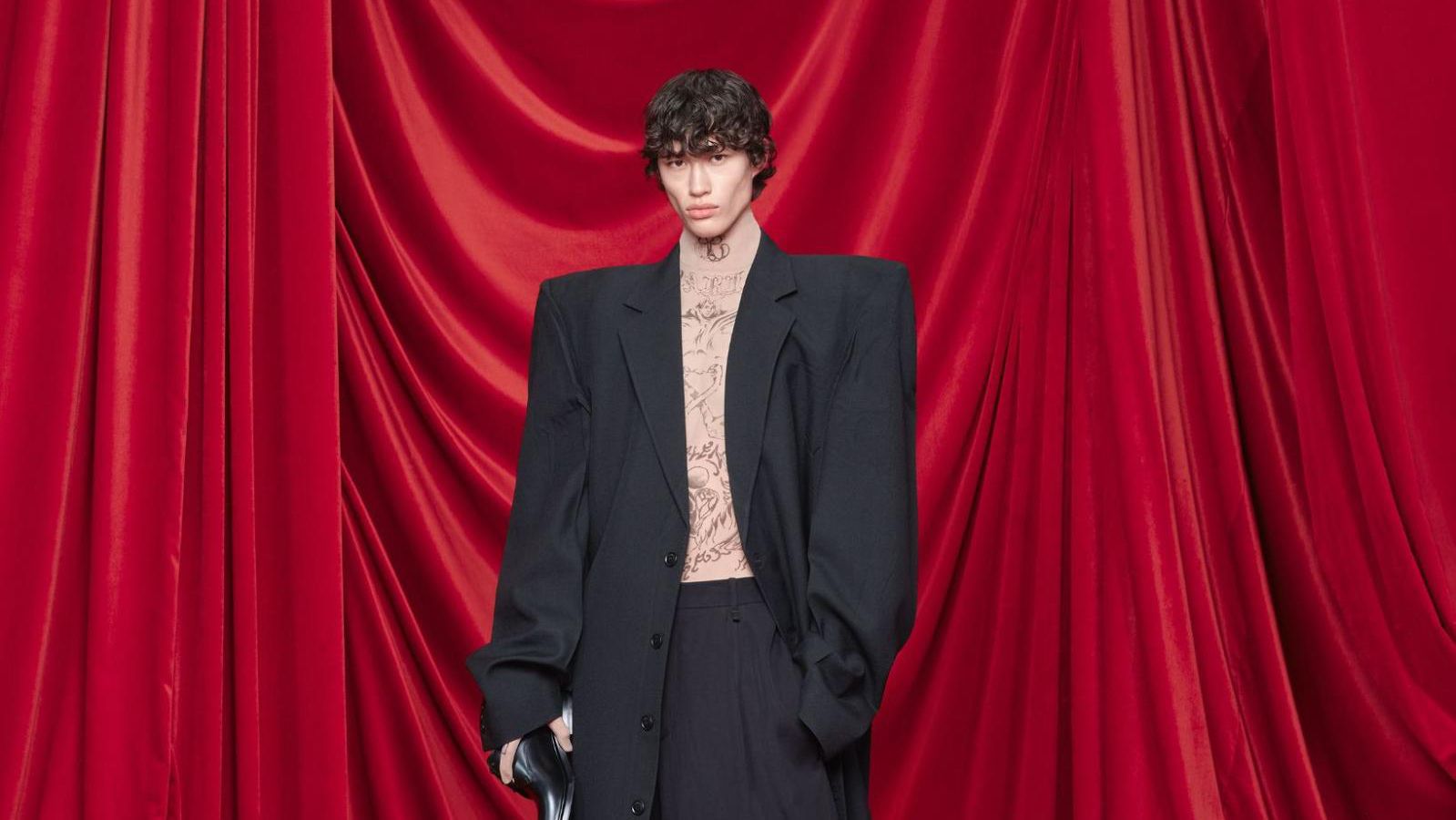
Perhaps her most transformative work emerged during her tenure as Artistic Director at Givenchy. She was the first woman to helm the iconic French maison, a storied house often defined by its masculine legacy and architectural rigor. Here, Waight Keller orchestrated a fusion of sharp suiting—precision-cut blazers with architectural shoulders—and ethereal eveningwear characterized by flowing cape dresses and intricate layering. A defining milestone was her creation of Meghan Markle’s wedding dress in 2018, an exercise in structural purity and poetic detail. The dress, lauded for its minimal aesthetic and symbolic veil embroideries, revived global conversation about the power of subtlety and craftsmanship in design.
Challenging Gender Roles and Power Dynamics Through Fashion
A recurring theme in Waight Keller’s collections is an exploration of gender codes. Her focus on androgynous tailoring did not erase femininity but expanded its definition. Suits and separates echoed both strength and sensitivity, blurring binaries and resonating deeply with a generation rethinking identity and power. Strategic use of color—crisp whites, deep blacks, delicate pastels—served to dramatize contrasts while keeping narratives nuanced. Accents such as ruffles or sharp lapels challenged preconceptions about who gets to wear what, underscoring her progressive stance.
Her designs repeatedly questioned hierarchies of luxury through accessible surface treatments, modular layering, and versatile shapes. This democratization of style was groundbreaking, as it offered women options that transcended occasion, age, and even geography, as seen in the commercial and critical success of her collections from Paris to New York and beyond.
Global Impact and Legacy
Waight Keller’s impact extends far past her direct portfolio. New cohorts of creators and craftspeople have benefited from her mentorship, with teamwork and traditional skill remaining central to her philosophy. Her lines are thoroughly investigated, frequently drawing inspiration from artistic works, architectural design, and societal shifts, thereby anchoring her creations within a wider cultural framework. Furthermore, she championed environmental responsibility, spearheading green initiatives at Pringle and Givenchy long before sustainability became a universal sector standard.
The resonance of her work was amplified by digital media and celebrity culture. High-profile advocates, runway moments, and red-carpet appearances cemented her designs in public consciousness. The Markle wedding dress is emblematic, but so too is her subtle shaping of everyday luxury—a wearable, relatable aspiration for millions.
The Enduring Essence of Clare Waight Keller in Design
Clare Waight Keller’s work stands as a bridge between the timeless and the contemporary. She is an architect of sensibility, advocating for purposeful beauty and considered luxury. Through her mastery of craft, understanding of context, and commitment to the evolving definition of femininity, she has shaped a narrative where clothing becomes both armor and art. Her legacy continues to inspire not just through specific garments but by proposing a new standard for what thoughtful, inclusive, and impactful design can achieve.